











10 October Gardening Jobs for Suffolk Gardens
What to plant, tidy and protect this autumn, plus a few jobs you can leave until spring.
October is one of the best months to get your Suffolk garden ready for next year. The soil often still holds some summer warmth, there’s usually more moisture in the ground, and cooler weather makes planting much easier.
Whether you have a large country garden, a new-build garden in Bury St Edmunds or a small patio in Stowmarket, there are plenty of useful gardening jobs to tackle this month.
At Woolpit Nurseries, we’re busy with autumn plants, shrubs, trees and spring-flowering bulbs. Here are ten jobs worth doing in your garden this October.
1. Plant Shrubs Now for a Better Garden Next Spring
If you’ve been meaning to fill gaps in your borders, October is an excellent time to do it.
Autumn planting gives many hardy shrubs time to establish roots before spring. Cooler temperatures also mean newly planted shrubs usually need less watering than those planted during summer.
Some of our favourites for Suffolk gardens include:
- Photinia ‘Red Robin’: Evergreen foliage with bright red new growth, ideal for screening.
- Viburnum tinus: A reliable evergreen with flowers through the colder months.
- Cornus ‘Midwinter Fire’: Brilliant orange and red stems that look fantastic in winter.
- Choisya: Glossy foliage and beautifully scented white flowers.
- Sarcococca: A compact evergreen with wonderfully fragrant winter flowers.
Our tip: Check your soil before planting. Some parts of Suffolk have light, sandy soil that dries quickly, while other gardens have heavier clay. Choosing shrubs suited to your conditions makes a real difference.Browse our garden shrubs
2. Plant Spring Bulbs While You Still Have Time
Want daffodils, crocus and alliums flowering next spring? The work starts now.
October is an ideal month for planting many spring-flowering bulbs. They need time in the ground to establish roots before winter.
For a colourful display, try:
- Daffodils: Reliable spring colour for borders, lawns and pots.
- Crocus: Among the earliest flowers to provide nectar for bees.
- Alliums: Tall, architectural flowers that look beautiful among perennials.
- Muscari: Small blue flowers, perfect for edging paths and filling containers.
- Hyacinths: Excellent for pots near your front door where you can enjoy their scent.
You can plant tulips later in autumn, often during November when the soil is cooler.
Our tip: Plant bulbs at around two to three times their own height. In heavier Suffolk soils, make sure water can drain away rather than collecting around the bulbs.
See our seasonal garden bulbs
3. Divide Overgrown Perennials and Fill Those Gaps
Have your hardy perennials become too big for their space?
October is a good time to divide many established clumps, particularly when the soil is moist but not waterlogged.
Hostas, hardy geraniums and some asters can benefit from dividing every few years. Lift the plant carefully, separate healthy sections and replant them at the same depth.
It’s also an excellent opportunity to add new perennial plants to your borders.
At Woolpit Nurseries, we grow a large range of hardy perennials, including hellebores, geraniums, salvia, echinacea, rudbeckia and many more.
Our tip: Don’t divide everything in autumn. Leave less hardy or late-flowering varieties until spring if they are likely to struggle through a wet winter.
Browse hardy perennials and our stock list
4. Don’t Tidy Every Perennial Border!
This is one October gardening job you can partly ignore.
It’s tempting to cut everything back as soon as the flowers fade, but some of those untidy-looking stems are valuable to wildlife.
Leave seed heads on echinacea, rudbeckia and other sturdy perennials. Birds may feed on the seeds, while hollow stems and fallen leaves provide shelter for insects.
Remove diseased foliage and any collapsed growth that is smothering neighbouring plants, but leave some healthy stems standing until spring.
Our tip: A slightly untidy border can be a much better home for wildlife than one cut back completely in October.
5.Refresh Patio Pots with Autumn and Winter Colour
Summer bedding plants are beginning to look tired, but that doesn’t mean your patio has to be dull until spring.
October is a good time to replace fading summer displays with plants that cope better with cooler weather.
Try combining:
- Pansies and violas for colourful flowers
- Cyclamen for sheltered patio displays
- Primroses for late winter and early spring
- Heucheras for colourful evergreen foliage
- Small evergreen shrubs for height and structure
Choose a container with drainage holes and use fresh compost. Raising pots slightly off the ground can also help prevent waterlogging during winter.
Our tip: A large container planted with evergreen foliage, violas and a few spring bulbs can provide interest for months.
See our garden pots and containers
6. Plant Trees and Hedging Before Winter
October is a particularly good time to think about the larger plants in your garden.
Perhaps you need more privacy from neighbours, a small ornamental tree for a new border, or fruit trees for your own home-grown harvest.
Potted trees and hedging plants can establish well in autumn, provided the ground is workable and they receive enough water.
For Suffolk gardens, consider ornamental cherries for spring blossom, apples and pears for fruit, or evergreen hedging such as Portuguese laurel and Photinia.
Our tip: Before buying a tree, check its eventual height and spread. A tree that looks small in a nursery pot may become much larger than you expect.
Ornamental and fruit trees | Hedging plants
7. Protect Tender Plants Before the First Frost
Suffolk may enjoy relatively mild autumn weather, but cold nights can arrive quickly, particularly in exposed rural gardens.
Now is the time to check plants that may struggle with frost.
Move tender pelargoniums, fuchsias and other frost-sensitive plants into a bright, frost-free greenhouse or conservatory.
Olive trees, palms and other Mediterranean-style plants vary in hardiness. Established specimens in sheltered ground may tolerate more cold than young plants growing in exposed containers.
Our tip: Move vulnerable pots against a sheltered wall, protect the roots and make sure the compost drains freely. Ask us about the winter requirements of individual Italian plants before buying.
See our Italian plants
8. Look After Your Lawn and Collect Fallen Leaves
October is a useful month for lawn maintenance.
Rake leaves from grass to prevent them blocking light and trapping moisture. If the weather is mild and the grass is still growing, give the lawn a final cut, leaving it slightly longer than in summer.
You can also repair worn patches and remove weeds while the ground is still workable.
Don’t throw away all those leaves. Healthy fallen leaves can be collected into a separate pile or leaf-mould bag, where they’ll gradually break down into useful material for improving your soil.
Our tip: Avoid walking on waterlogged lawns. Heavy foot traffic can compact the soil and damage the grass.
9. Improve Your Soil Before Winter
Healthy plants start with healthy soil, and autumn is a good time to improve tired borders.
Spread well-rotted organic matter or compost around established shrubs and perennials. This helps improve soil structure and provides a useful mulch.
Suffolk’s lighter soils benefit from organic matter that helps retain moisture, while heavier clay soils benefit from improved structure over time.
If you’re planting shrubs or trees, loosen the surrounding soil and avoid creating a planting hole filled with rich compost that roots are reluctant to grow beyond.
Our tip: Keep mulch away from the stems and trunks of plants to reduce the risk of rot.
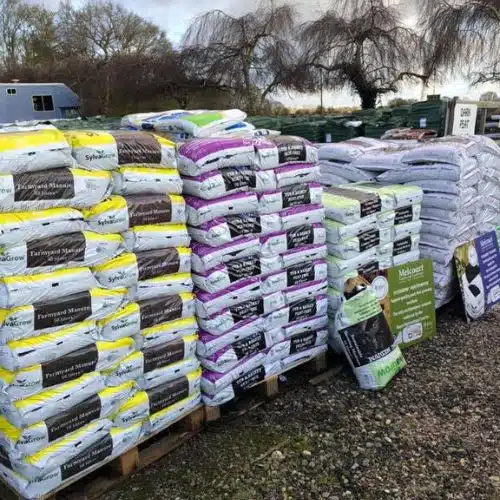
Visit our garden products section for compost, manure and other planting essentials.
10. Take a Look at Your Garden Before Everything Dies Back
October is a great time to notice what’s missing from your garden.
Are there gaps in the borders? Does your patio look bare once the summer flowers have gone? Would an evergreen shrub or small tree improve the view from your kitchen window?
Take a few photographs now. They’ll help you remember which areas need attention when you’re choosing plants.
You don’t need to redesign the whole garden. Adding three shrubs, a few groups of perennials or some spring bulbs can make a noticeable difference next year.
At Woolpit Nurseries, you can see plants in person, compare their sizes and colours, and ask our team what will suit your garden.
October Gardening FAQs
October is an excellent time to plant many hardy shrubs, perennials, ornamental trees, fruit trees, hedging plants and spring-flowering bulbs. Choose plants suited to your soil and position, and avoid planting into waterlogged ground.
No. Leave healthy seed heads and stems where possible to provide food and shelter for wildlife. Remove diseased or collapsed material and leave much of the remaining tidy-up until spring.
Not at all. Autumn is often one of the best times to plant hardy shrubs because the soil is still relatively warm and rainfall helps them establish.
Yes. Daffodils, crocus, muscari and hyacinths are particularly good choices. Use containers with drainage holes and a suitable free-draining compost.
Check how exposed it is and whether it’s growing in a pot or the ground. Keep the compost well drained, reduce watering as growth slows and prepare frost protection for vulnerable plants.
Visit Woolpit Nurseries for Autumn Plants and Gardening Advice
We’re an independent, family-run plant nursery in Woolpit, between Bury St Edmunds and Stowmarket, just off the A14.
We grow around 90% of our plants on-site and stock a wide selection of hardy perennials, shrubs, hedging, ornamental trees, fruit trees and Italian plants. You’ll also find seasonal bulbs, compost and garden pots.
Open 7 days a week:
Monday to Saturday: 9am to 5pm
Sunday: 10am to 4pm
Woolpit Nurseries, Old Stowmarket Road, Woolpit, Suffolk IP30 9QS
We don’t sell online. Come and look around, choose your plants in person and ask our team for advice on your October gardening jobs.
Plan your visit
