








Buy Vegetable Plants: Grow Your Own Fresh Produce with Woolpit Nurseries
Discover the Joy of Fresh, Homegrown Vegetables
Experience the delight of fresh, homegrown produce with quality vegetable plants and allotment plants for sale from Woolpit Nurseries. Our selection is your gateway to a bountiful harvest.
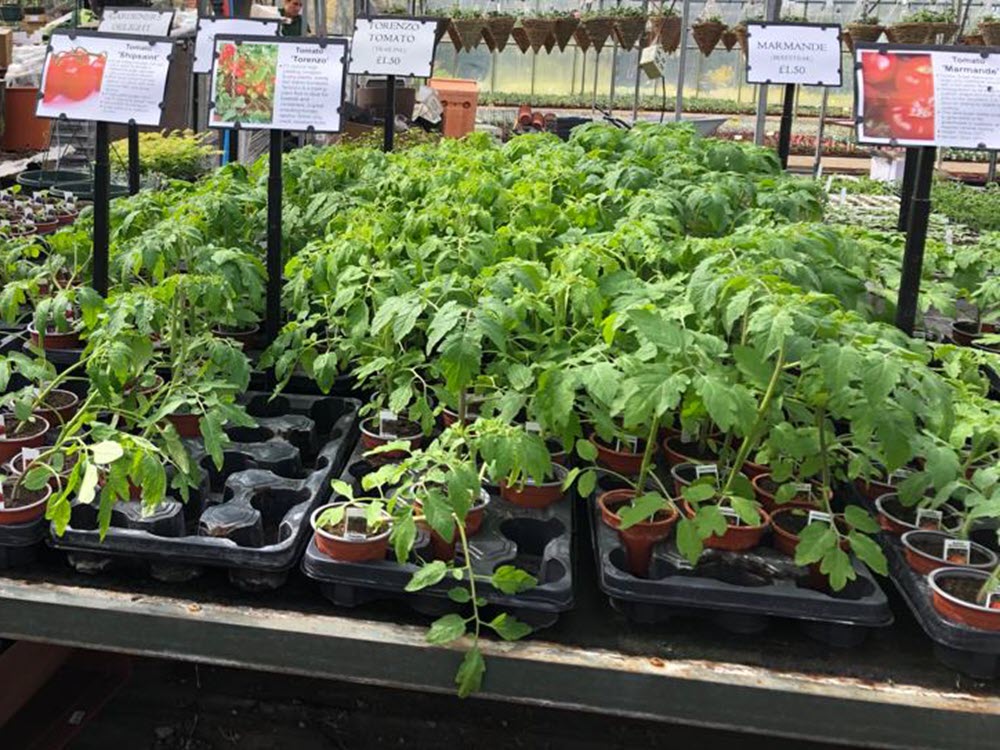
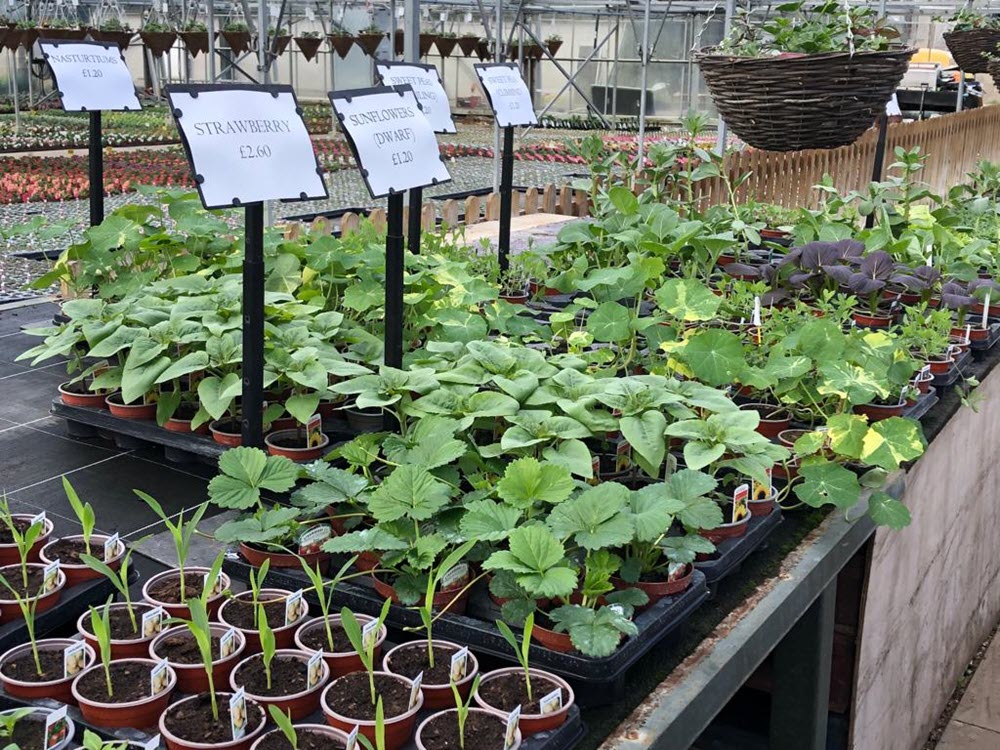
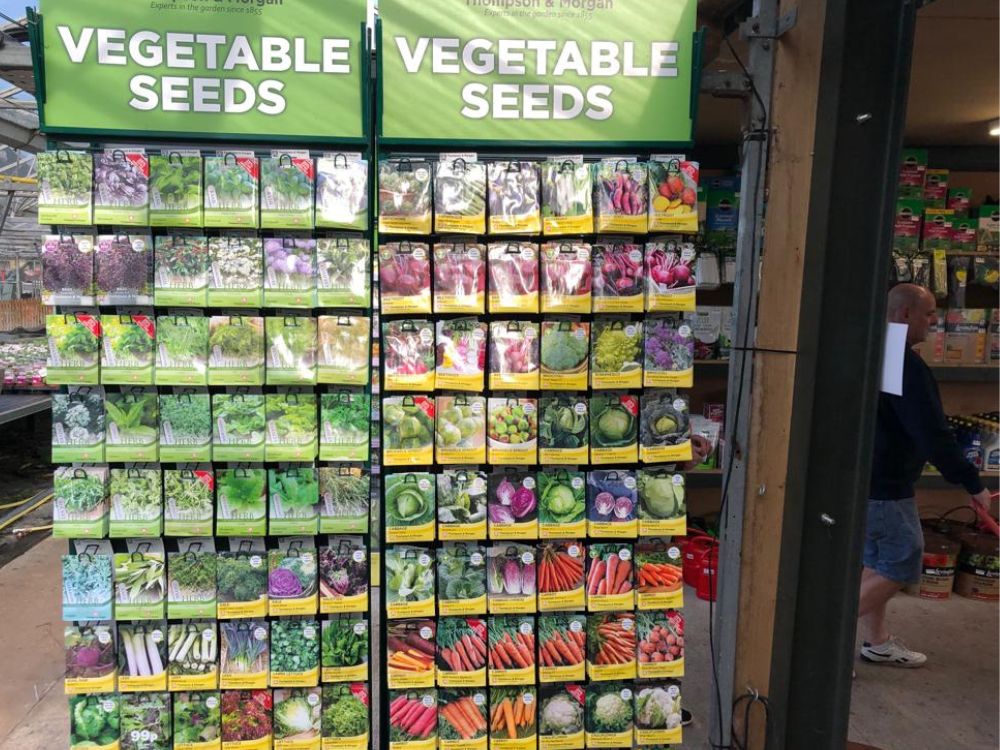
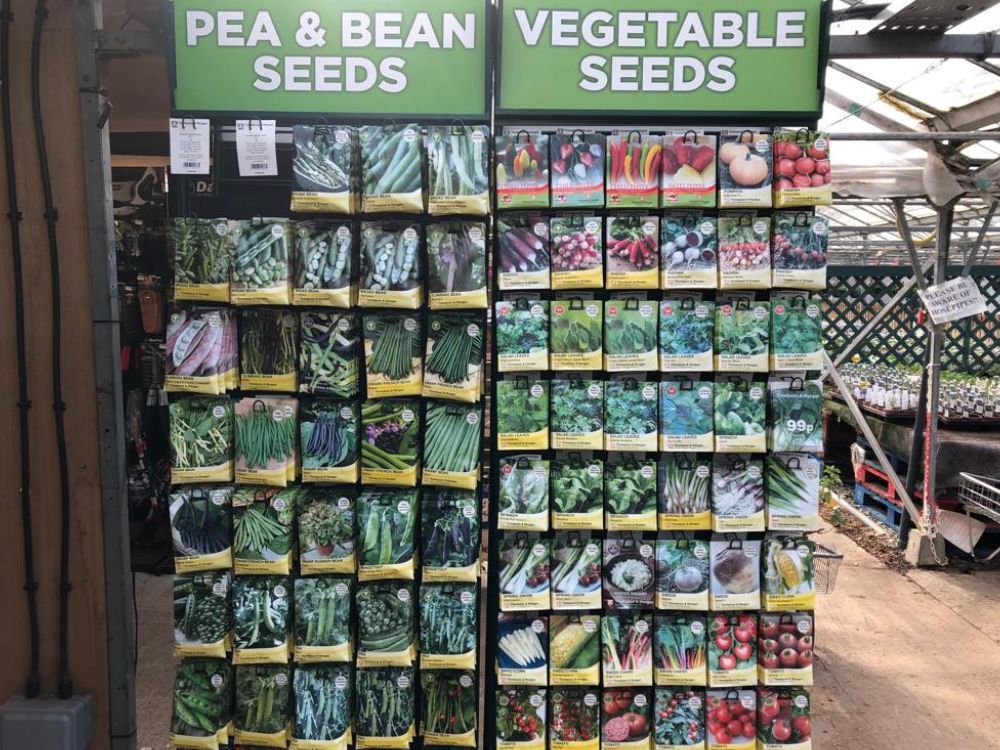
At Woolpit Nurseries, you can find a wide variety of vegetable plants to grow in your own garden or allotment. From courgettes and pak choi to brussel sprouts, corn, and tomatoes, there’s something for everyone. You can even start from scratch with a packet of vegetable seeds, including peas, beans, leeks, onions, and more. Whether you’re an experienced gardener or just starting out, our ready-to-go vegetable plants will make it easy to get started.
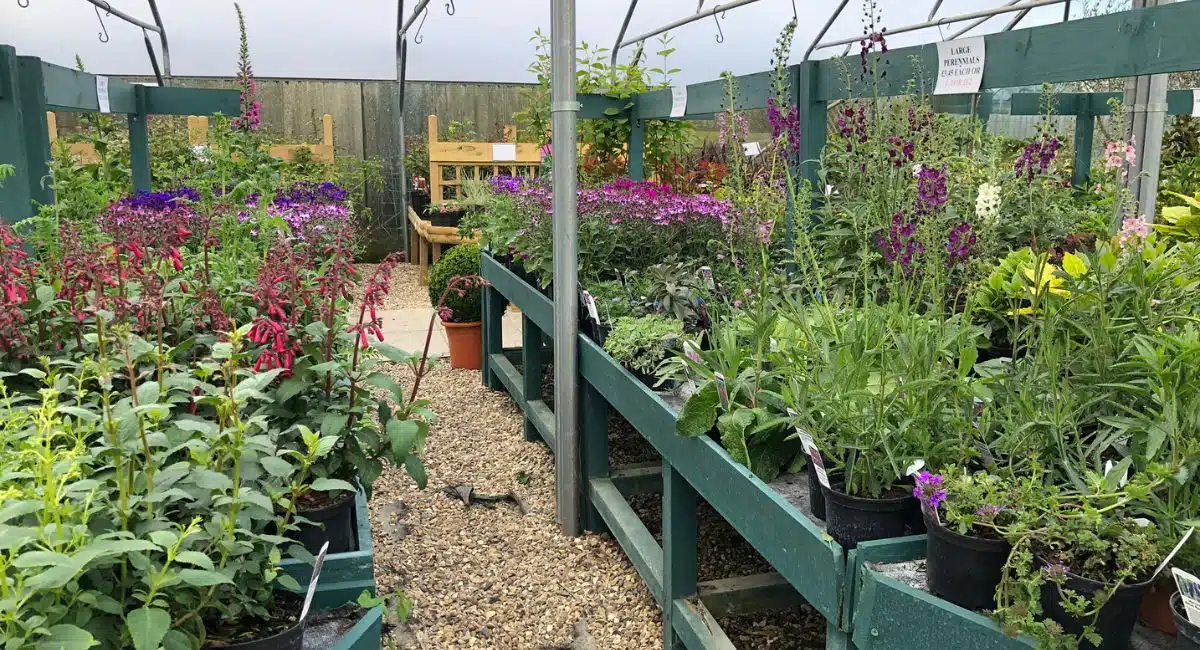
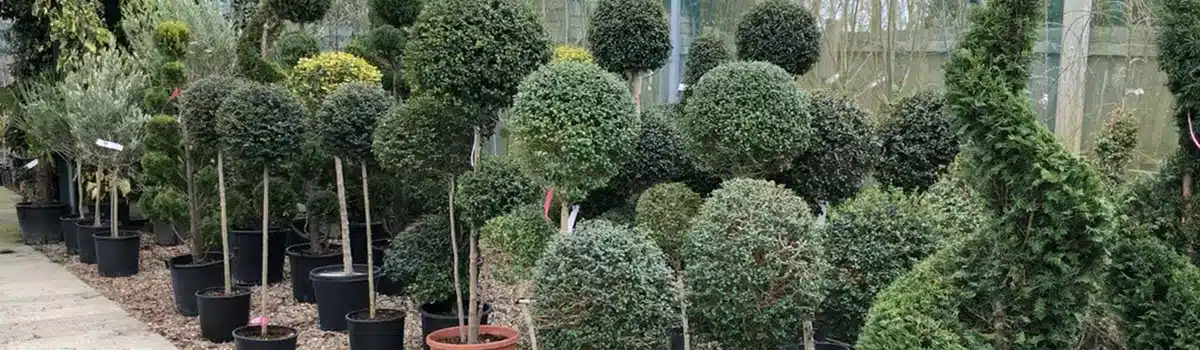
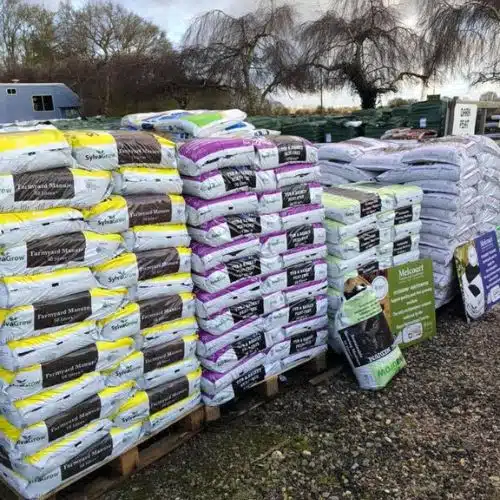
At Woolpit Nurseries, you can select vegetable and allotment plants that are appropriate for outdoor planting, waiting until the frosts have passed, which is usually in early to mid-May in Suffolk. Additionally, you can purchase compost, bedding plants, perennials, trees, and patio containers during the same visit.
Quality Vegetable Plants and Allotment plants to Buy at Woolpit Nurseries
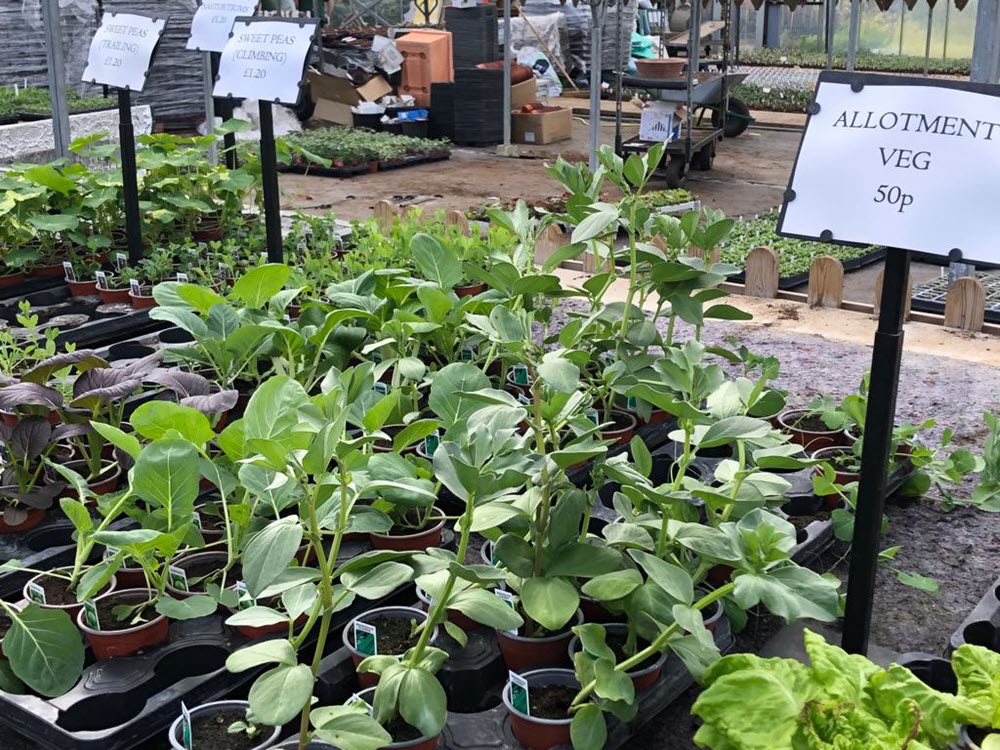
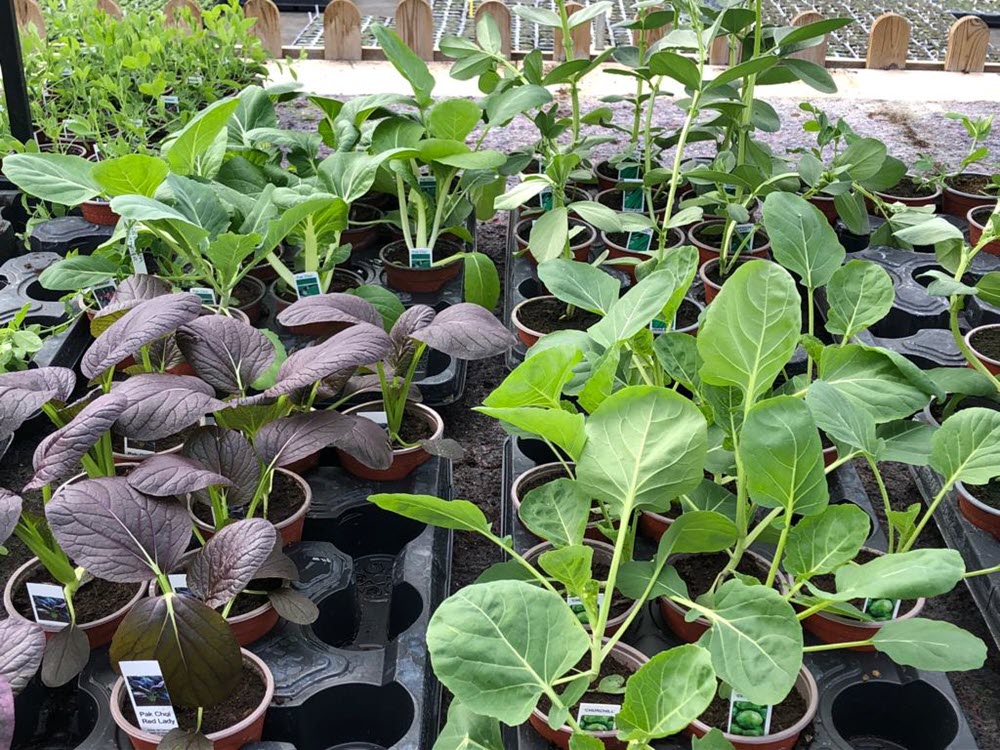
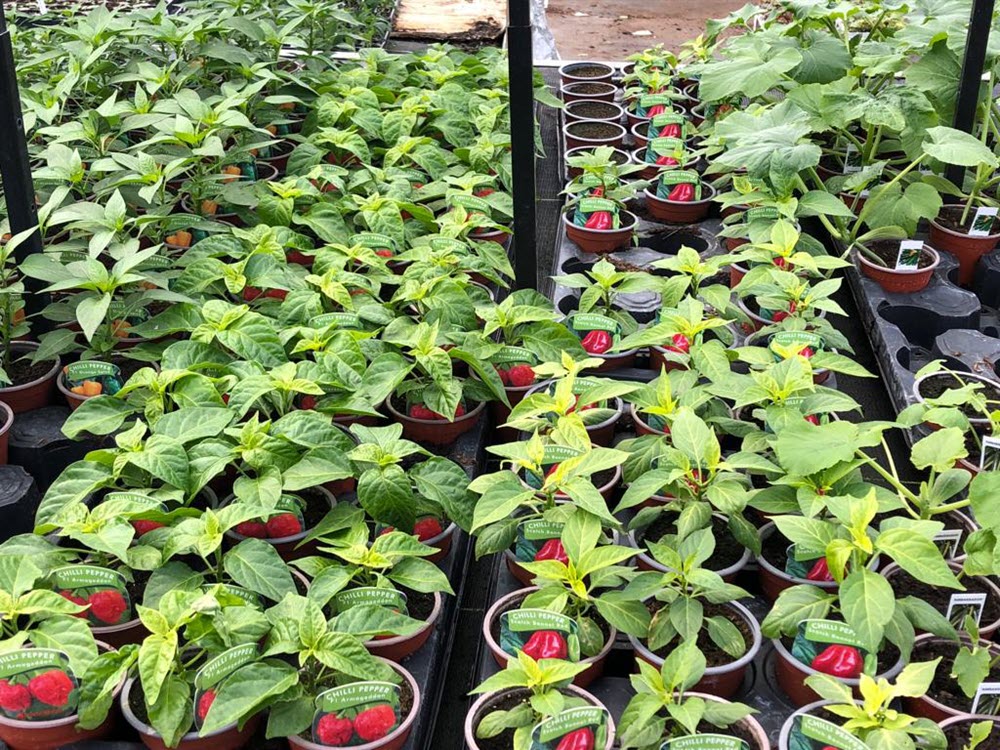
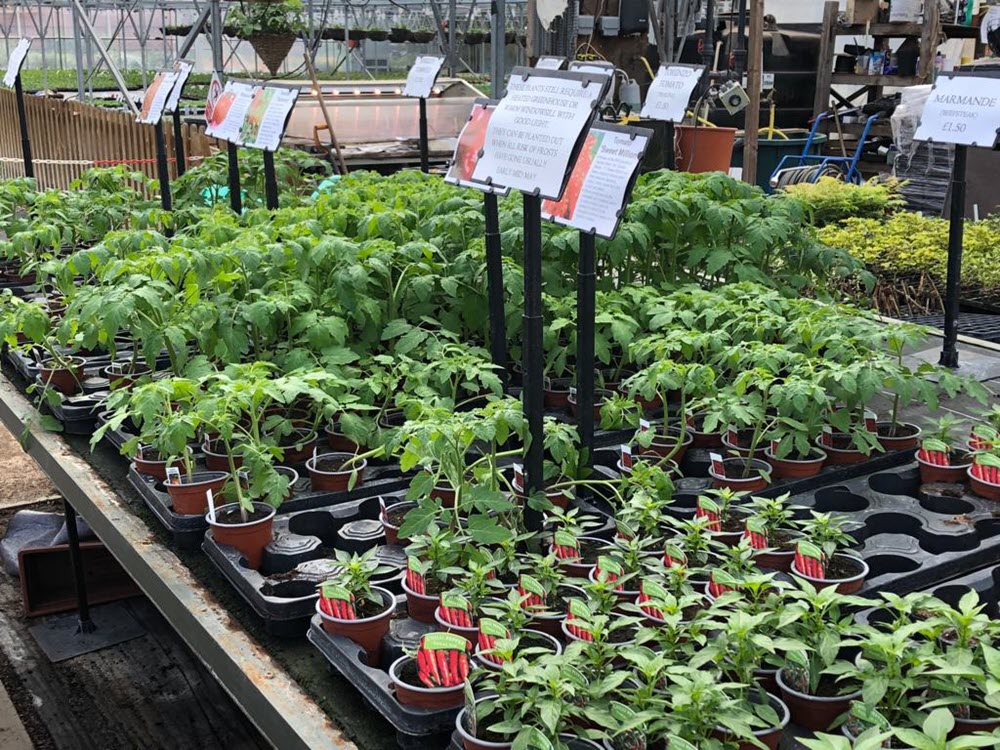
Here is a snapshot of some of the vegetable and allotment plants for sale at Woolpit Nurseries. Please note that these plants are only available for purchase during the optimal planting times of May and June, and availability is subject to sales. As always, if you are struggling to find something, we are happy to help.
Visit Woolpit Nurseries Near Bury St Edmunds & Stowmarket
Looking for a plant nursery in Suffolk where you can choose healthy, locally grown plants at great prices?
You'll find us on Old Stowmarket Road in Woolpit, conveniently located just off the A14 between Bury St Edmunds and Stowmarket.
We're easy to reach from surrounding Mid Suffolk villages and welcome gardeners from across the county.
Beginner’s Guide to Growing Vegetables: Top Vegetables to Start With
Starting your own vegetable garden can be a fun and healthy activity, but it can also be overwhelming if you’re not sure where to begin. Deciding which vegetables to grow can be challenging, with questions like “should I start with onions or beans?” or “asparagus or courgettes?”
While it’s important to grow vegetables that you enjoy eating, it’s also wise to consider the ease of growing each crop. For instance, aubergines can be quite challenging to grow, so it might be better to wait until your second year of gardening before attempting to grow them. Opting for crops that require minimal maintenance, have a short growth period, and are relatively resistant to pests and diseases is a good idea. Some examples of such crops include potatoes, radish, rocket, beetroot, beans, courgettes, and chillies.
[bg_collapse view=”link” color=”#00652D” expand_text=”Show More” collapse_text=”Show Less” ]How to Grow Vegetables?
When choosing a spot to grow vegetables, it’s best to select an area that is sheltered and receives ample sunlight. However, there are some exceptions to this rule. Salad leaves and certain herbs can bolt in full sun and may thrive better in partial shade.
Start of by considering the amount of space you have available before planting. If you don’t have a large garden, you can still grow salad crops in window boxes, pots, or growing bags.
Before planting, prepare the soil by eliminating any weeds and adding well-rotted compost or manure, then rake it level.
When planting, avoid overcrowding and follow the spacing recommendations provided on the seed packet. If necessary, prick out any seedlings that are too close together.
To deter slugs and snails, use physical barriers like copper tape. For plants that are particularly vulnerable, such as salad leaves and courgettes, it’s best to start them indoors and transplant them when they’re strong enough to resist pests. If all else fails, use slug pellets made with iron phosphate, which are safer for wildlife.
Tips on Popular Vegetable to Grow
Beetroot
Directly sowing beetroot into shallow drills in the soil is a viable option, and you can expect to harvest them within a few weeks. It’s recommended to select a variety of beetroot that is resistant to bolting, which is when plants prematurely run to seed.
Bush Tomatoes
Bush tomatoes are easier to grow being a compact size, so they do not require support and their side shoots do not need to be ‘pinched out’. These tomatoes can thrive in growbags, a vegetable patch, hanging baskets or pots making them a versatile option for growers.
Salad Leaves
Rocket and oak-leaf lettuce are perfect for growing in a container or the vegetable patch, they can be sown into the soil and then ‘cut-and-come-again’ to harvest them. To add a splash of colour to your salad, try sowing multiple varieties of salad leaves together.
Peas
Growing peas can be easy, especially if you opt for a compact variety that doesn’t need staking. And you can grow them in a container, making them a perfect choice for those with limited outdoor space. Additionally, these plants offer a tasty and healthy addition to salads, as you can harvest the young tips and include them for a delicious spring treat. Moreover, you can look forward to enjoying the flowers and pods that follow.
Potatoes
Growing potatoes is easy – all you need to do is plant them in the ground or an old compost bag, and when the leaves first emerge, cover them with soil (known as ‘earthing up’). Then just a few weeks later you can harvest your crop. Plant early potatoes in April and harvest them in July.
Courgette
Courgettes are a popular choice because they can produce a bountiful harvest from a limited number of plants. To maximize your yield, grow your courgettes in compost rich soil and ensure they receive adequate watering. For optimal taste and texture, harvest your courgettes when they reach a length of no more than 10cm.
Radish
Radish seeds have a relatively large size, making them effortless to sow without the need for thinning out. These seeds mature quickly and can be harvested within a short span of a few weeks.
[/bg_collapse]From Plot to Plate: Choose Woolpit Nurseries for the Finest Vegetable Plants to Buy
Are you ready to enjoy home grown foods? Look no further than Woolpit Nurseries for a delightful journey into the world of vegetable plants to buy.
Imagine the satisfaction of savoring your very own home-grown vegetables, bursting with flavor and goodness. With our carefully nurtured and high-quality selection, you can experience the joy of cultivating a thriving kitchen garden.
From vibrant salads graced by your own salad leaves to hearty stews enriched with home-grown beans, each bite tells a story of dedication and passion. Discover the art of sustainable living, reduce your carbon footprint, and enjoy the benefits of fresh, organic produce – all nurtured from the comfort of your garden.
At Woolpit Nurseries, we take pride in empowering you to create an abundant oasis of flavours right at home. Join us on this journey and experience the satisfaction of cultivating your own delicious, home-grown vegetables.
Garden Plants & Products to Buy at Woolpit Nursery


BUY PLANTS - SAVE MONEY!
Small Perennials £3.45 each or 4 for £12
Large Perennials £4.95 each or 4 for £18
2ltr Shrubs £8.95 each or 3 for £24
5ltr Shrubs £12.95 each
Grasses/ Heucheras, Ferns, Hellebores, Hebes £9.95 each or 2 for £18
