




Primroses
Primroses – Bringing Early Colour to Your Garden
As winter fades nothing heralds the arrival of the new spring season quite like the vibrant hues of primroses and polyanthus. These charming flowers, scientifically known as Primula, are a quintessential symbol of early spring, bringing joy and colour to gardens. In this guide, we’ll delve into everything you need to know about these delightful blooms, from their cultivation and care to planting ideas.
About Primroses and Polyanthus
Appearance: Primroses and polyanthus produce clusters of large, rounded flowers in jewel-like colours. From delicate pastels to bold and vibrant hues, these blooms add a touch of whimsy to any garden space. Some varieties even feature striking contrasts in petal edges and centers, while others boast charming double flowers.
Growing Conditions: These resilient plants thrive in a variety of conditions, from moist, acidic soils to sheltered positions in both full sun and partial shade. While they’re adaptable to different environments, they dislike extremely alkaline soils or areas prone to excessive dryness. For container gardening, opt for multi-purpose peat-free compost enriched with grit or perlite to ensure optimal growth.
Lifecycle: Although primroses can survive beyond their first year, subsequent blooms may be smaller and fewer in number. To maintain vibrant displays year after year, consider replacing plants annually.
Last year we grew over 350,000 seasonal garden bedding plants from seed and rooted cuttings at Woolpit Nurseries, including 9,500 bedding geraniums
Quick facts about Primroses
- The name ‘Primrose’ is from the Latin for ‘first rose’, although primroses are not related to roses.
- Flower from early January to mid-May.
- Thrives in full sun or partial shade.
- Ideal for planting in containers or garden beds.
- For the best displays, it is advisable to replace plants annually.
- Prefers moist and acidic soils.
- Hardy and resilient plants
- Typically grow to around 20cm x 35cm in size.
Ideas on Where to Plant Primroses
Under Trees and Shrubs: Primroses thrive in part-shade conditions, making them ideal for planting underneath trees and shrubs.
Naturalistic Planting Schemes: Incorporate prim roses into cottage gardens, rock gardens, or wildflower meadows for a charming, rustic appeal.
Mass Plantings: Create stunning visual impact by planting primroses in large groups with mixed colors.
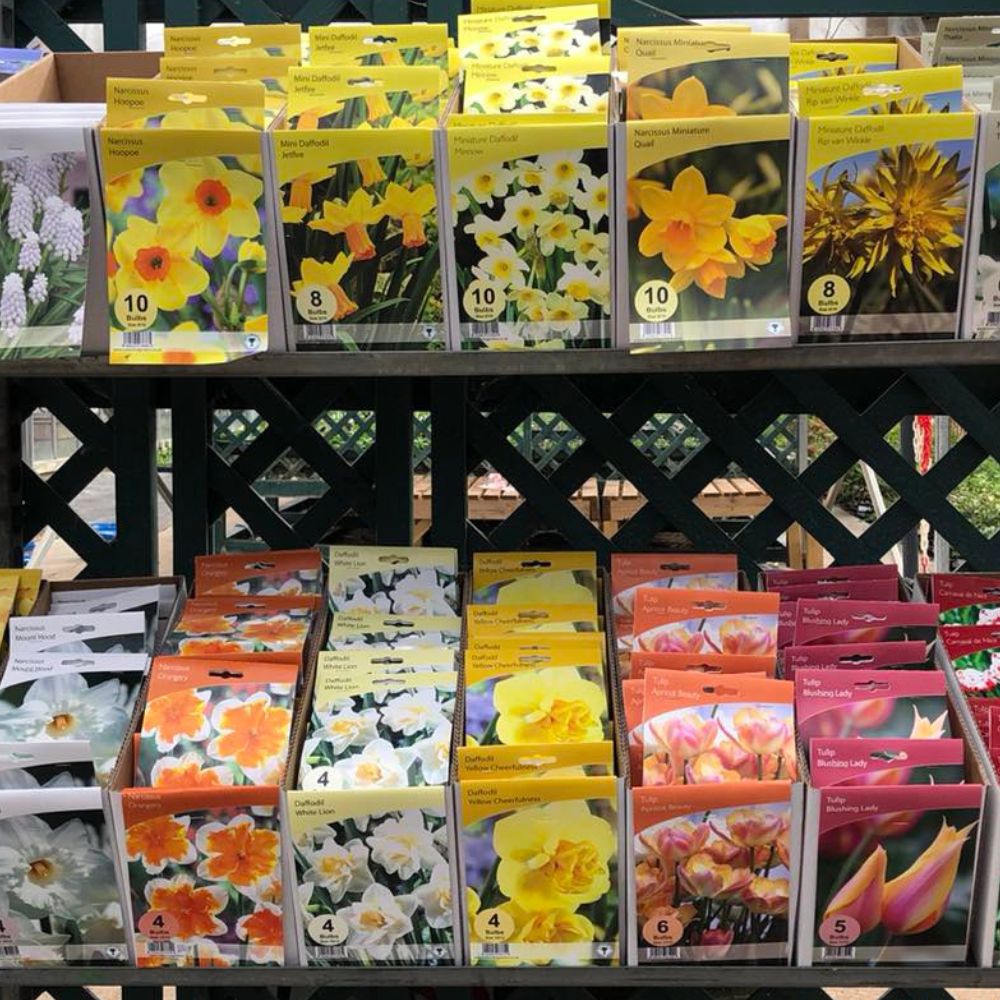
Companion Planting: Pair primroses with spring bulbs such as narcissi and daffodils or with violas to enhance your garden’s beauty and fragrance.
Buy Primroses at Woolpit Nurseries
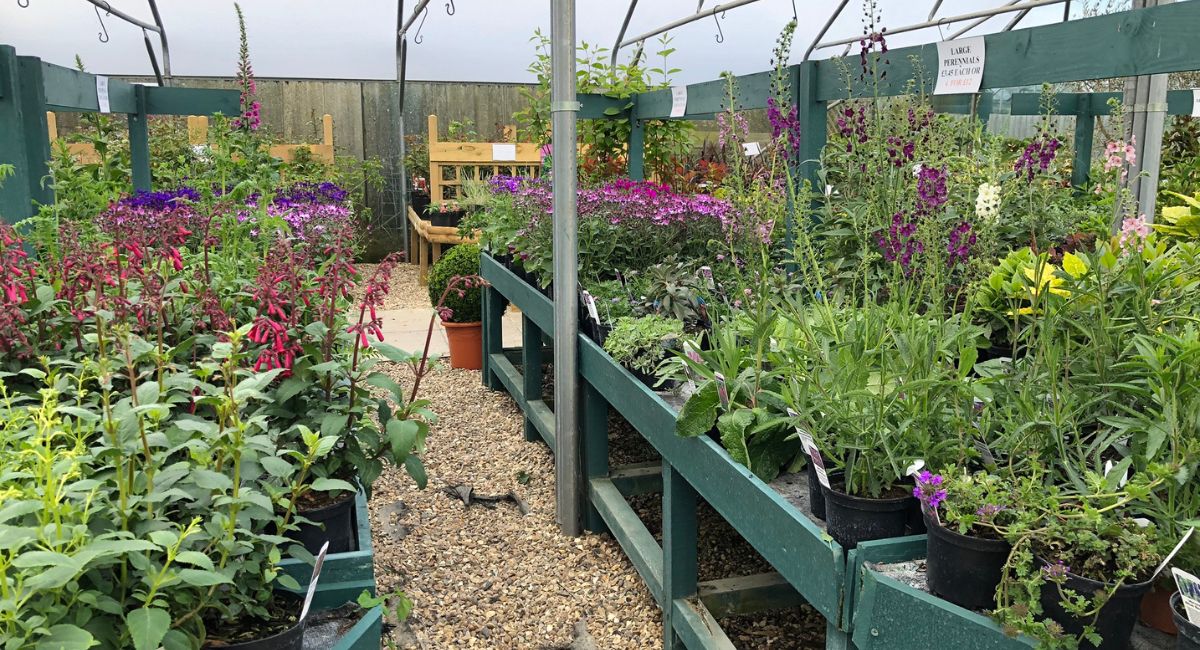
Visit Woolpit Nurseries to explore our selection of primroses in pots, available during autumn and winter while stocks last. Our knowledgeable staff can assist you in selecting the perfect plants for your garden or plant containers, ensuring a vibrant and colorful display come springtime.
With the high-quality plants available at Woolpit Nurseries, both beginner and experienced gardeners can cultivate thriving gardens filled with the beauty of primroses. Start your gardening journey today and enjoy the delightful colors and charm that these beloved plants bring to your outdoor space.
Come and Visit Us Today
Address: Woolpit Nurseries, Old Stowmarket Road, Woolpit, Mid Suffolk (Just off the A14, easily accessible from Bury St Edmunds and Stowmarket).
Opening Hours: Open 7 Days a Week. Monday – Saturday: 9am - 5pm | Sunday: 10am - 4pm.
Facilities: Free easy-access parking. We do not allow dogs on site (except assistance dogs).
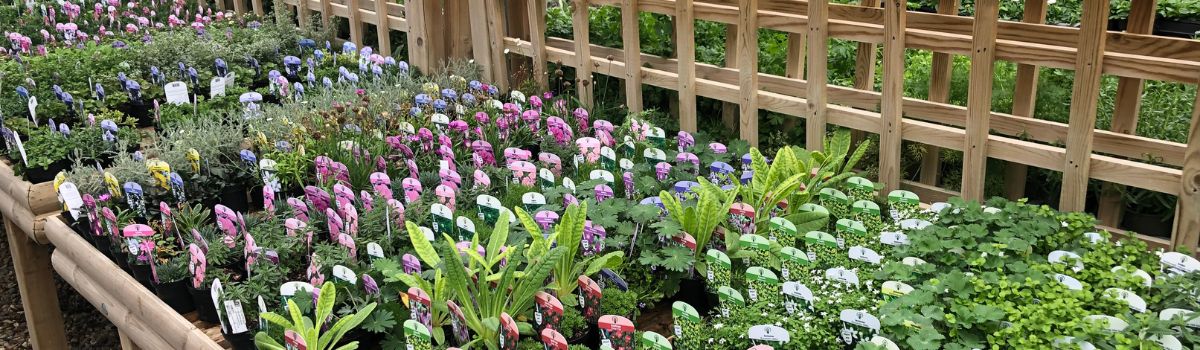

Colourful summer and winter bedding plants for borders, baskets and containers.
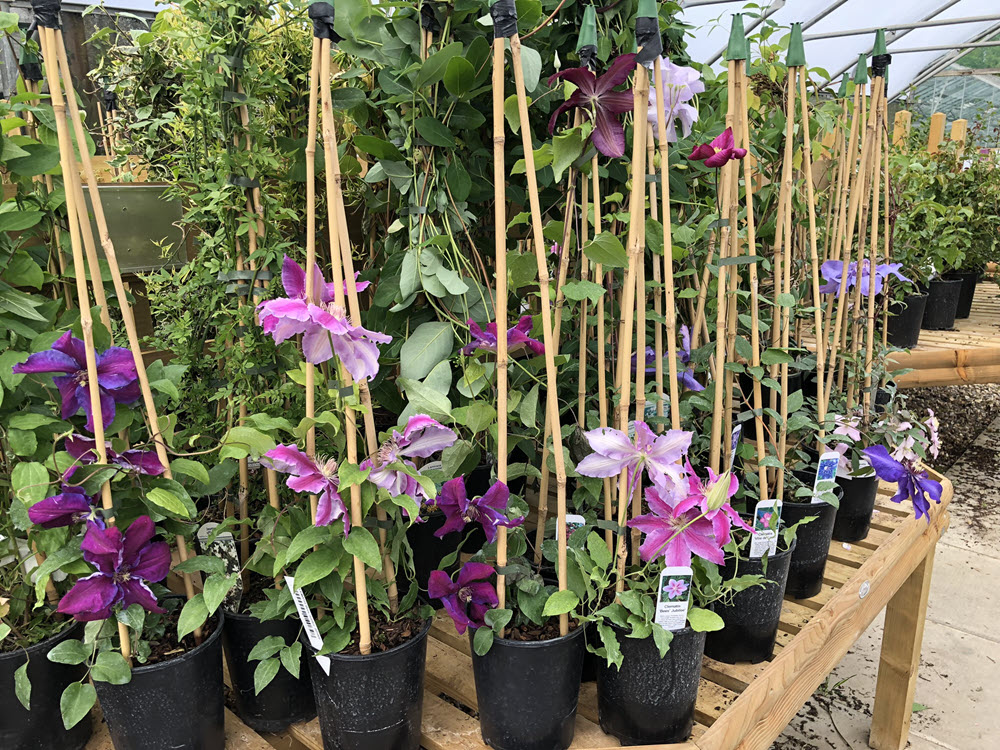
Clematis, honeysuckle, jasmine and other climbers for walls, fences and pergolas.
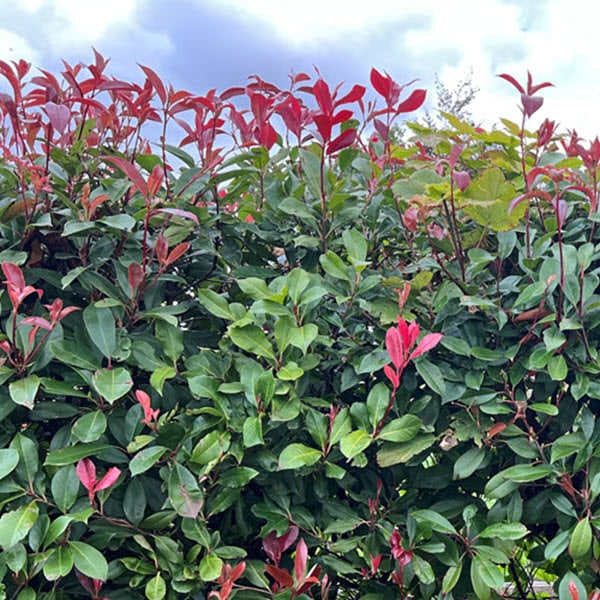
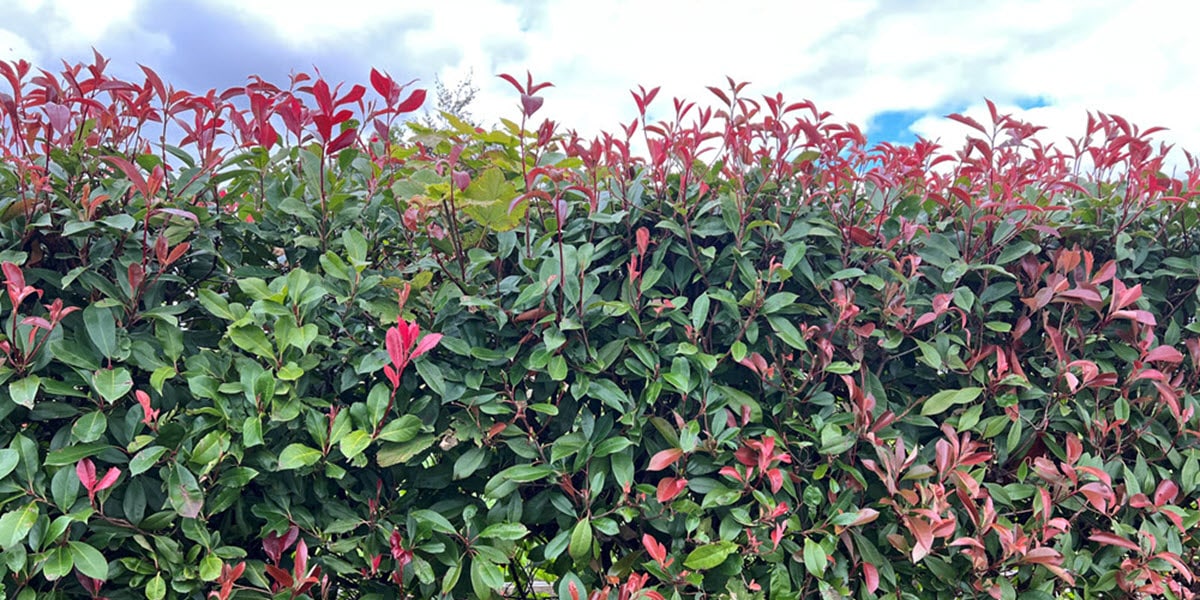
Strong evergreen and deciduous hedging for privacy, boundaries and structure.

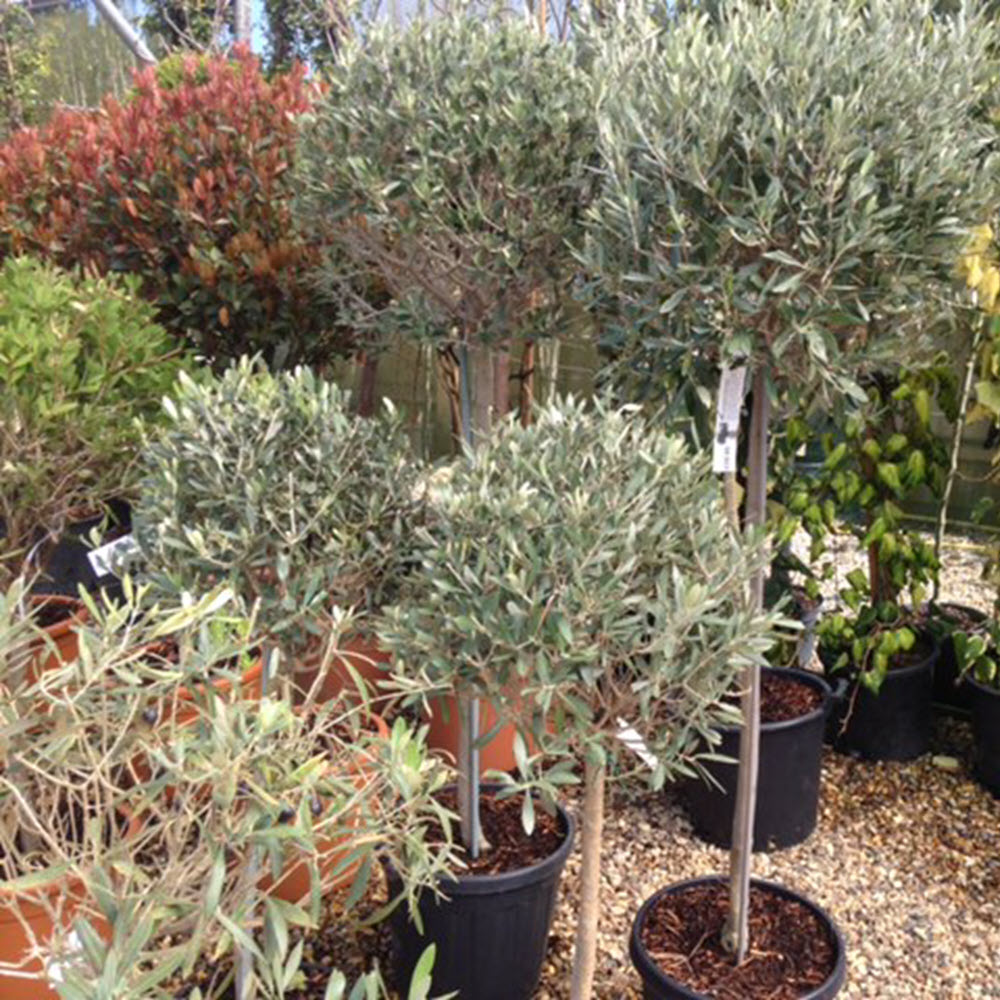
Olive trees, shaped topiary and statement plants for instant structure and style.
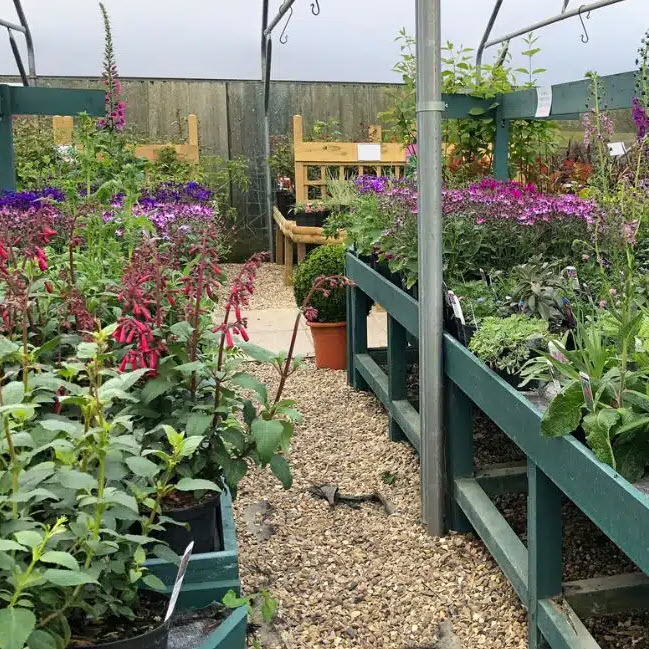
Long-lasting colour and texture from hardy plants that return year after year.
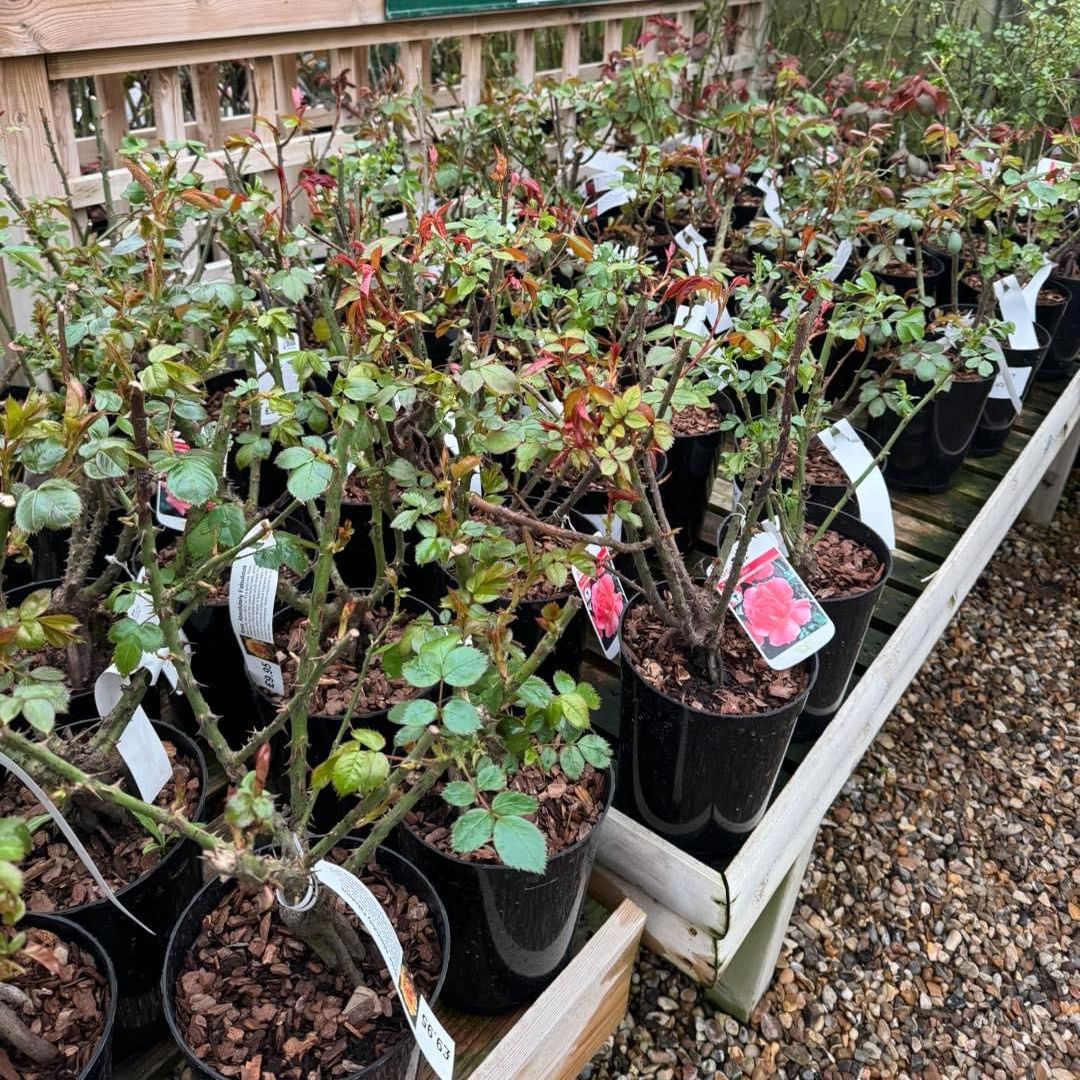
Hybrid Tea, Floribunda, Climbing and Shrub roses, including fragrant varieties.
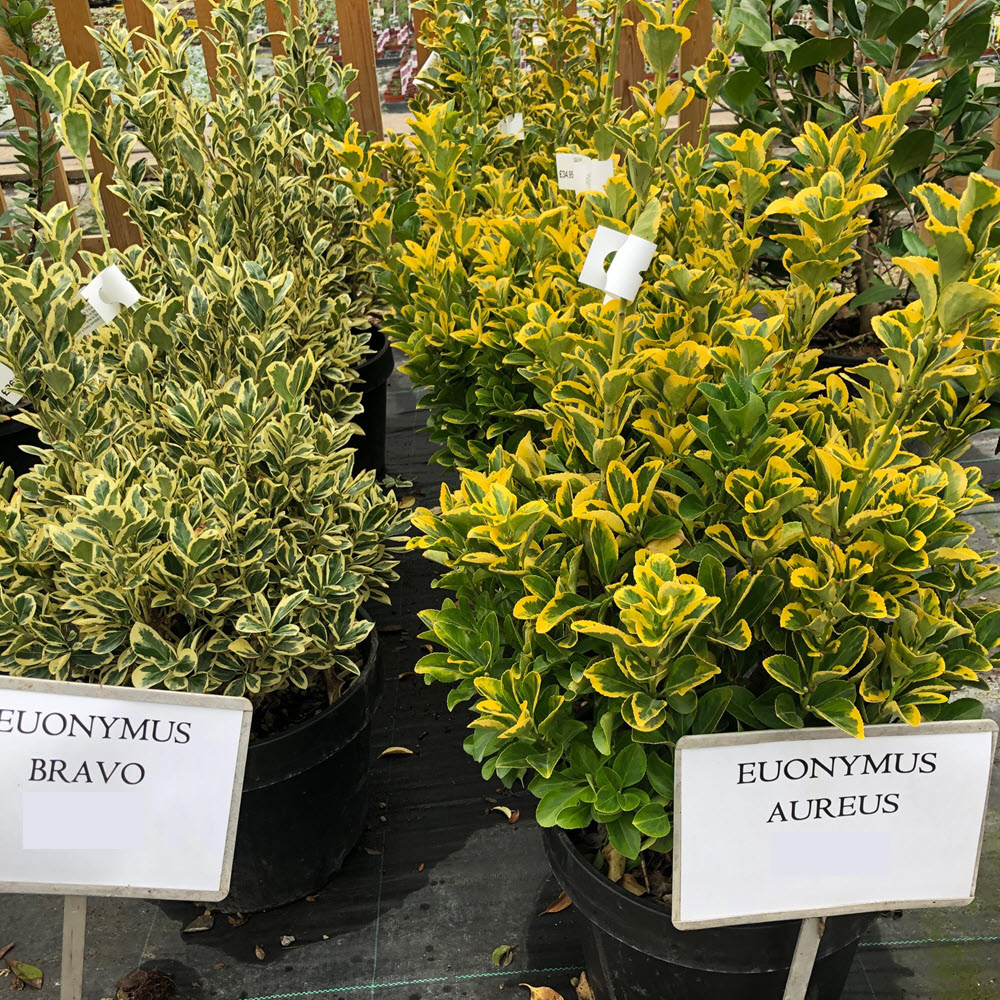
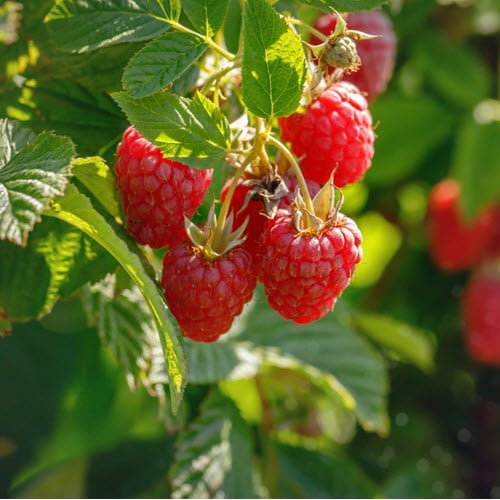
Raspberries, currants, gooseberries and blueberries for homegrown harvests.

Box balls, bay standards, pyramids and sculpted evergreens for focal points.

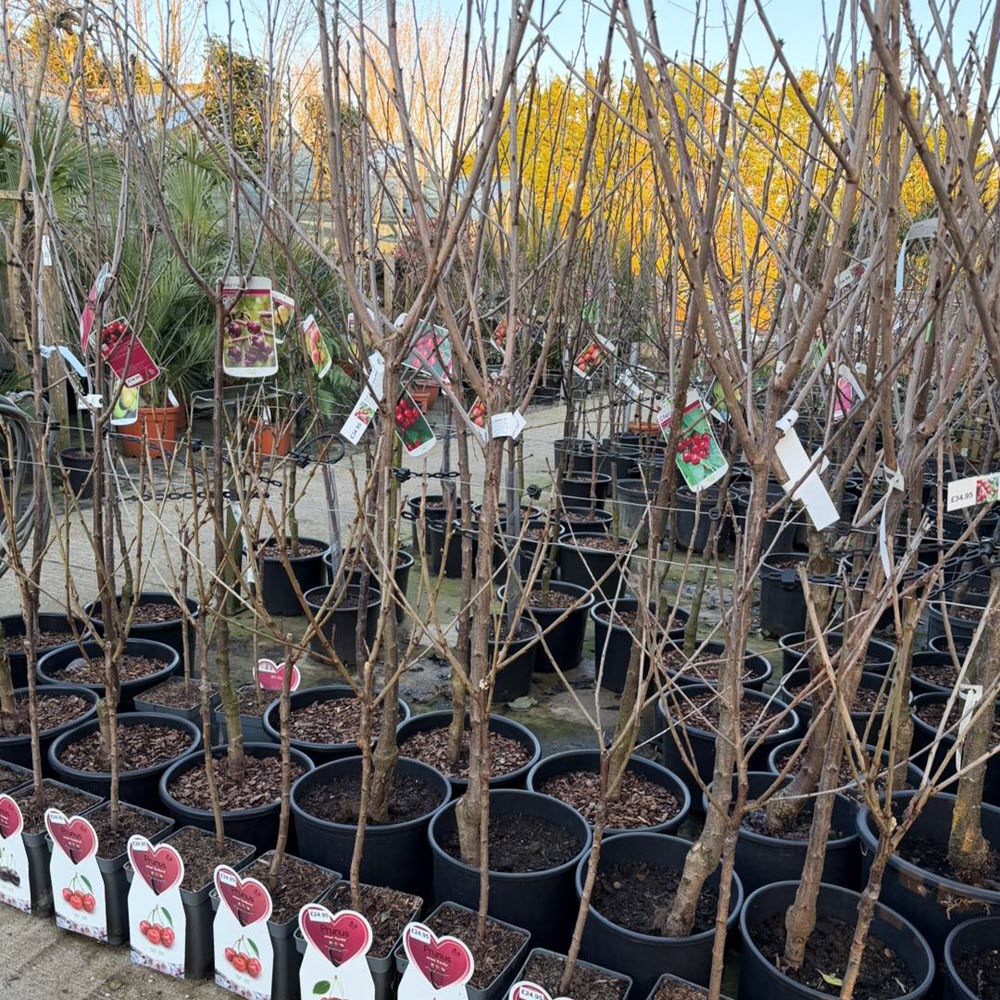
Flowering cherries, apples, pears and trees for structure, blossom and fruit.